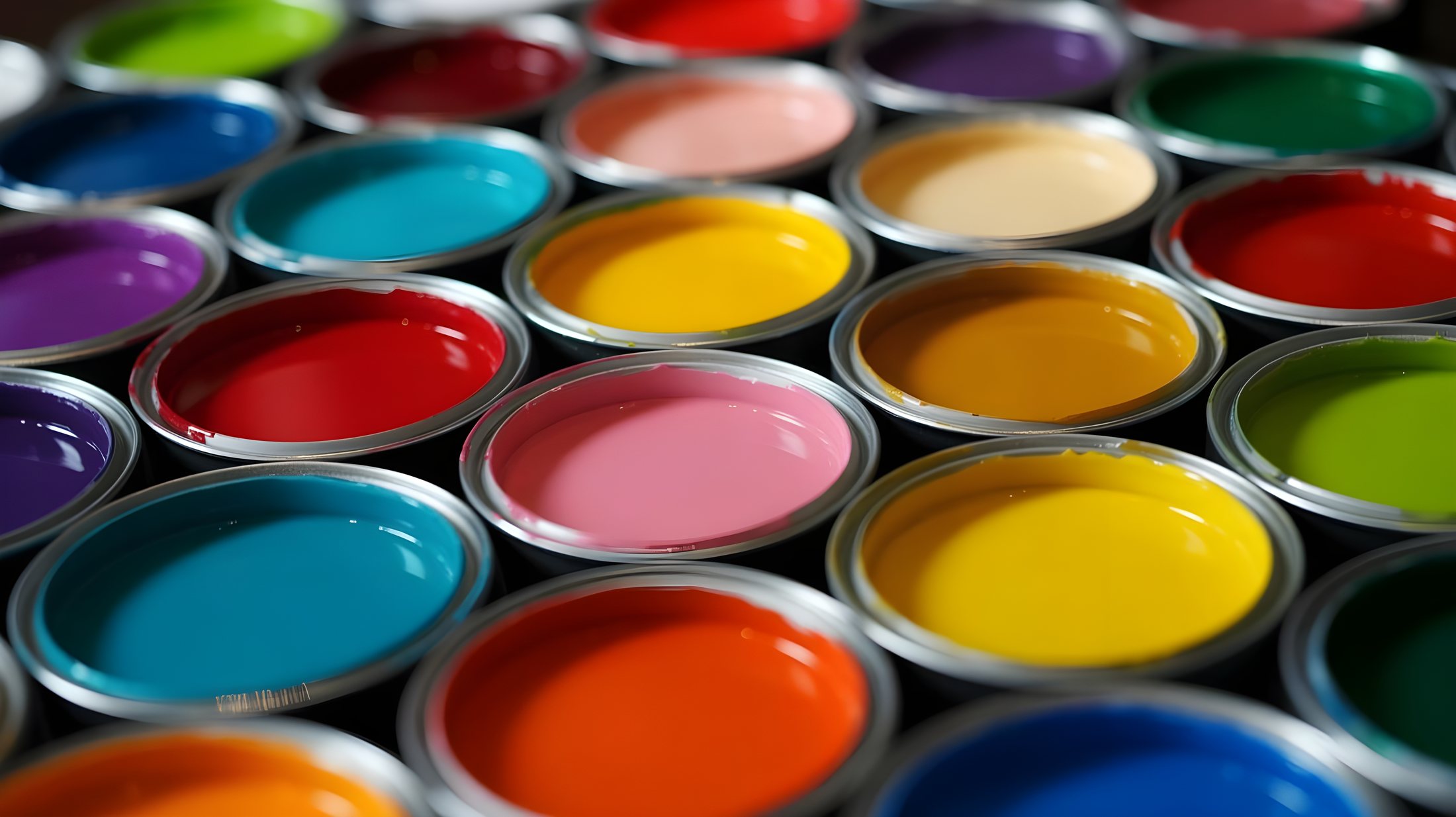
How it works
Wet paint is the flexible method. It costs more in environmental work and takes longer, but it almost never says no.
The paint is mixed in liquid form and applied with a spray gun. It then dries as the solvent evaporates and the binder builds its network, either at room temperature or with gentle heat. Since no oven is needed, it matters less what the part is made of or whether it is already assembled.
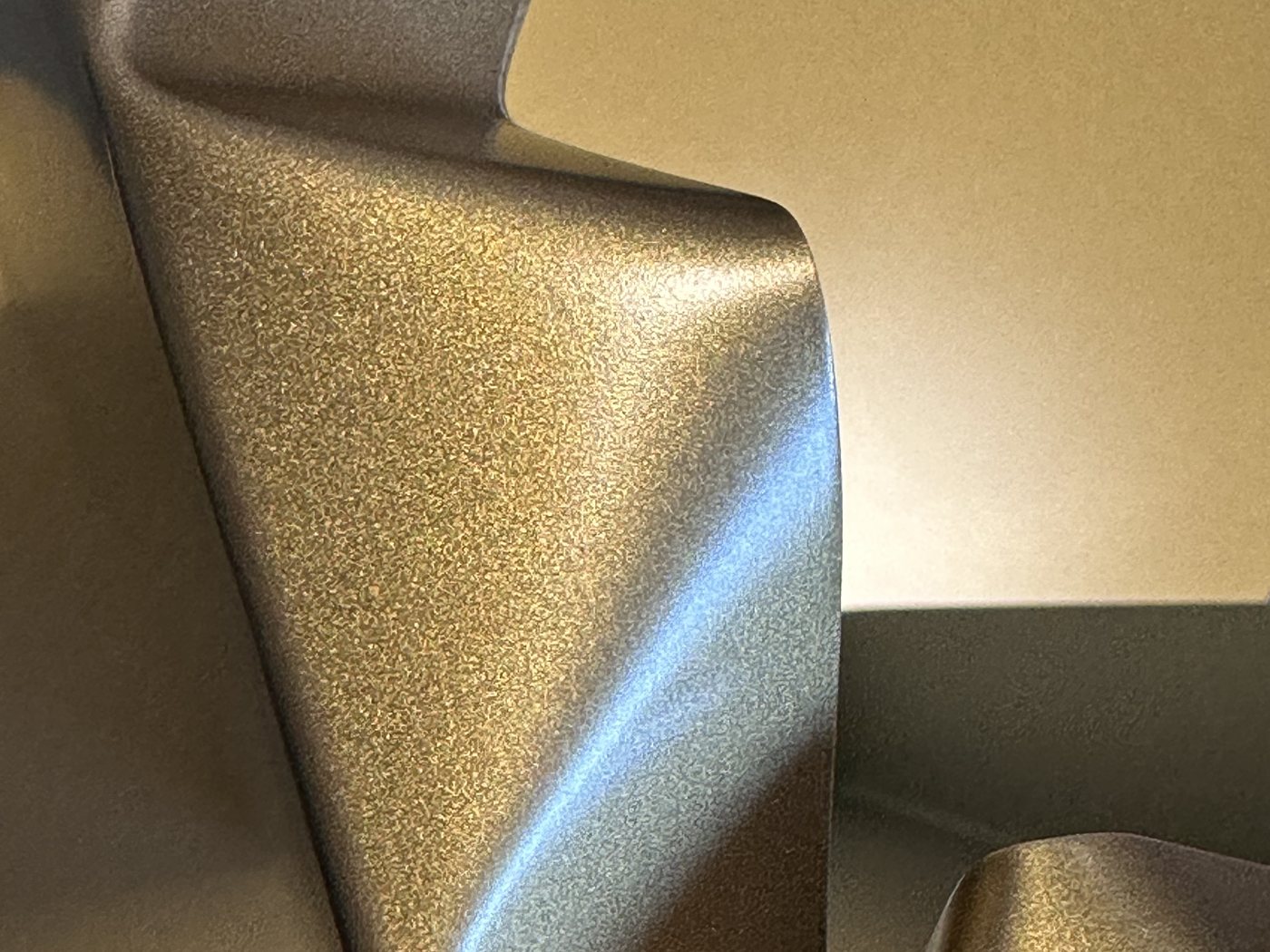
RANGEFABRIKEN wet-paints sheets and parts on its own line in Svalöv. The sheet is coated before processing and is made to be bent afterwards, so the customer gets a finished surface without a coating step of their own.
01
Pretreatment
Degreasing and chemical pretreatment. Without it the paint will sooner or later come loose, however good it looks at first.
02
Application
Spraying in several layers. Primer where needed, then topcoats until the colour is right.
03
Drying
Cures at room temperature or with gentle heat. Takes longer than powder, but does not stress the part.
Strengths and limitations
What the method does well
- All NCS and RAL colours.
- Single parts and small batches cost little.
- Works on heat-sensitive material and assembled units.
- Thin layers keep threads and edges sharp.
- Reaches into grooves and inside corners.
- Damage can be touched up on site.
What counts against it
- Softer surface that withstands impact less well than powder.
- Longer drying time, which ties up space and handling.
- Solvents place demands on ventilation and purification.
- More overspray, some of the paint never reaches the part.
- More sensitive to humidity and temperature during application.
The paint used
What goes
on the sheet
Brands and formulations are not disclosed, but this is what the system means for you as a buyer.
Two-component wet paint
Wet painting is done with a two-component system. It is a more expensive paint than the one-component systems common in the industry, and the difference shows over time in colour durability, gloss and mechanical resistance.
High solids, low solvent content
A large share of what is sprayed remains as coating instead of evaporating as solvent. This gives both a more durable surface per application and lower emissions per square metre delivered.
Cures at low temperature
The system cures without an oven. It uses less energy than oven curing, and it makes it possible to coat parts that cannot withstand heat, including assembled ones.
Powder coating gives a durable surface and uses no solvents. Wet paint covers all NCS colours and is often better when the sheet is to be bent, especially in matt colours. That is why RAL is coated with both. Wet paint is also chosen when the part cannot withstand the heat of the oven.
Side by side
Wet paint or
powder coating?
The short answer: powder when the surface has to withstand a lot and the series is of some size, wet paint when the colour or the material makes special demands. The longer answer is here.
| Property | Wet paint | Powder coating |
|---|---|---|
| Material | Liquid paint, solvent-borne or water-borne. | Dry powder that is electrostatically charged. |
| Curing | Dries and cures at room temperature or with gentle heat. | Melts and cures in an oven. |
| Coating thickness | Approximately 40 to 80 µm, depending on the number of coats. | Approximately 60 to 100 µm. |
| Durability | Good, but the surface is softer and more sensitive to impact. | Harder surface, clearly better against impact and scratches. |
| Colour change | Quick. Change the paint in the cup and go. | Takes time. Booth and hose must be cleaned between colours. |
| Small series | Inexpensive. A single part in an unusual colour is no problem. | Relatively more expensive per part, since the set-up time is spread over fewer pieces. |
| Heat-sensitive | Works. Plastics, gaskets and assembled units cope fine. | Does not work. The oven is too hot for most things that are not metal. |
| Deep cavities | Reaches better into grooves and inside corners. | The charge seeks out outer surfaces, so inside corners may get a thinner layer. |
| Environment | Solvents require purification and ventilation. | No solvents, and excess powder can be reused. |
| On-site touch-up | Easy. Touch-up paint in the same colour works. | Difficult. Damage is in practice always repaired with wet paint. |
Does the surface need to take more wear?
If the part is going outdoors into wind and weather or will be exposed to wear, powder coating is usually the better choice.